
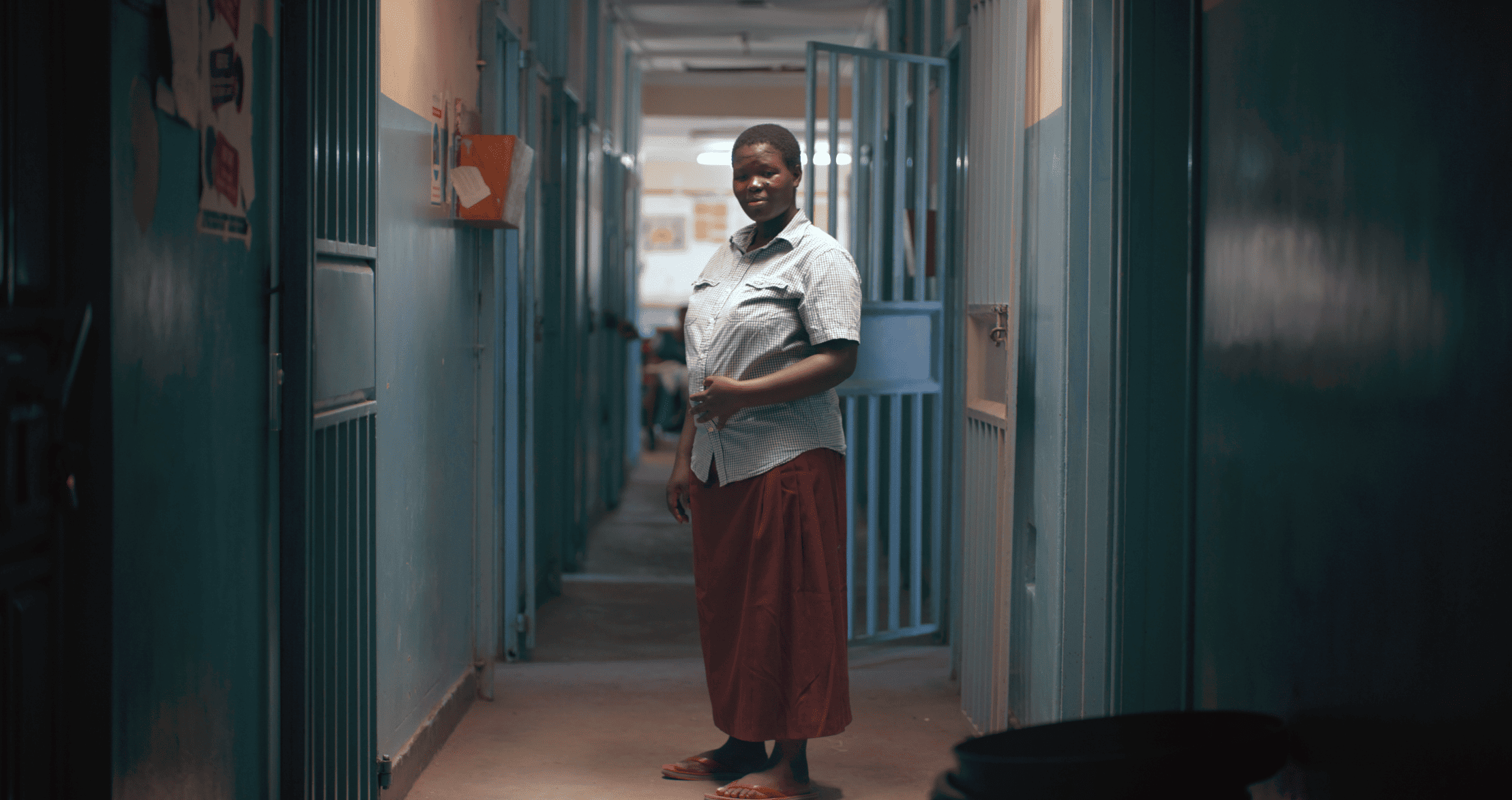


Turning milestones into momentum towards a malaria-free world
Letter from the Chair and CEO


Expand
In Latin America, single-dose tafenoquine, co-developed by GSK and MMV, is transforming the treatment of relapsing Plasmodium vivax malaria. In 2025, Peru included tafenoquine in its national treatment guidelines while Brazil approved the paediatric formulation with rollout beginning in 2026, marking important steps towards P. vivax elimination. To continue this momentum, MMV is advancing local partnerships to deliver significant advances in product innovation and pathways to approval, affordability, supply and uptake. Looking ahead, our strategy is shaped by a simple truth: the best technologies are the ones that people use. That is why MMV is prioritizing medicines that simplify treatment and prevention. For treatment, this means single-dose cures that will slow the development of drug resistance and bolster elimination efforts involving mass drug administration. For prevention, we are pursuing long-acting injectables that will provide protection for months on end. To speed up our development of these medicines, we are leveraging artificial intelligence and machine learning to accelerate discovery, notably through the Drug Design for Global Health (dd4gh) platform, which is enabling researchers in low-resource settings to co-implement drug discovery. These milestones were made possible by the MMV team, our partners, our Board members and our donors, who understand that the case for eliminating malaria is both humanitarian and economic. Malaria continues to undermine productivity, strain health systems and trap communities in cycles of poverty. By contrast, investment in malaria innovation delivers strong returns. This year, a study published in The Lancet Global Health found that every dollar invested in MMV’s R&D generates an estimated $13 in health benefits, demonstrating that advancing new antimalarial medicines is one of the most effective investments in global health. The future must be built with, and led by, endemic countries. In September, African heads of state launched the Accra Reset, representing a shared commitment to country-led, transformational development. This policy framework aims to address structural problems impeding Africa’s health sovereignty through building capacity and strengthening resilience to external shocks. MMV shares this vision, ensuring that endemic-country leaders have a key role in shaping and guiding this work through science, partnerships and delivery rooted in collaboration with African institutions. As you explore this Annual Report, we invite you to see how individual achievements connect into a broader story: an organization grounded in science, guided by equity and focused on turning milestones into momentum towards a malaria-free world.
African leadership and regulatory strength: accelerating access to lifesaving malaria tools

Message from Dr Delese Mimi Darko, Director General, African Medicines Agency: Member of MMV’s Expert Scientific Advisory Committee
The African continent carries the world’s highest malaria burden: in 2024, there were 282 million cases, with Africa accounting for 94% of them. Malaria cases have climbed in recent years due to challenges such as antimalarial drug resistance and reduced funding. Despite these challenges, the malaria community continues to advance promising innovations that have the potential to transform malaria control, accelerate progress towards elimination, and bring the promise of eventual eradication closer to reality. These new tools include long-acting injectables, single-dose cures and non-artemisinin-based medicines. However, for these innovations to translate into impact, they must reach the people who need them—quickly. Delays result directly in preventable illness and death. The next phase of malaria progress will be defined by how rapidly countries can access, assess and deploy these tools.
Because of Africa’s disproportionate malaria burden, it is both appropriate and necessary that African institutions play leading roles in evaluating the tools intended for African populations.
For many years, regulatory decisions in low- and middle-income countries in Africa often followed approvals by regulatory authorities outside the continent. While these pathways have played an important role in facilitating access to quality-assured medicines, Africa’s regulatory landscape is evolving rapidly. Today, a growing number of African national regulatory authorities (NRAs) are operating at internationally recognized levels of maturity and performance. Regulatory expertise across the continent has expanded significantly, supported by years of investment, collaboration and work-sharing.
Expand
In addition, the establishment and operationalization of the African Medicines Agency (AMA) marks an important milestone in Africa’s regulatory evolution. AMA was established to build the capacity of NRAs and Regional Economic Communities, strengthen regulatory cooperation and promote greater reliance and harmonization across the continent to facilitate timely access to high-quality, safe and efficacious medical products.
At AMA, our objective is straightforward: to create a more predictable, efficient and trusted regulatory environment in Africa. By strengthening cooperation, promoting reliance, and supporting joint scientific reviews, we can reduce unnecessary duplication while maintaining the highest standards. As the first Director General of AMA, I am proud to work with countries to enable medical innovations to reach Africans faster. We aim to do this by aligning regulatory standards across the continent and enabling joint reviews of medicines to reduce duplication. These should lead to faster national approvals for medicines for priority conditions, including malaria, tuberculosis and neglected tropical diseases. African countries have already begun making decisions to adopt innovations. The approval and launch of Coartem Baby by an African regulatory authority in 2025, ahead of approval by WHO, demonstrates that regulators on the continent are increasingly able to make timely, evidence-based decisions that can accelerate access to innovation and help shape global access pathways.
Partnerships remain essential to developing and deploying new medicines. As the global health landscape evolves, the goal should be to move from dependency towards stronger systems, greater capability and shared responsibility. This is not about working in isolation; it is about ensuring that African institutions are equipped to make timely, evidence-based decisions while continuing to collaborate closely with global partners.
Greater independence for African institutions, however, does not imply isolation. No single institution can eliminate malaria alone. Working with regulators, medicines developers around the world, global and regional bodies, and innovators like MMV enables all partners to share data, coordinate approvals and scale access to innovations. To end malaria, we need continued investment in regulatory strengthening, country leadership and drug development partnerships like MMV, which turn scientific progress into public health impact. With the right systems and collaboration, innovation can translate into sustained malaria reduction, elimination and eventual eradication.
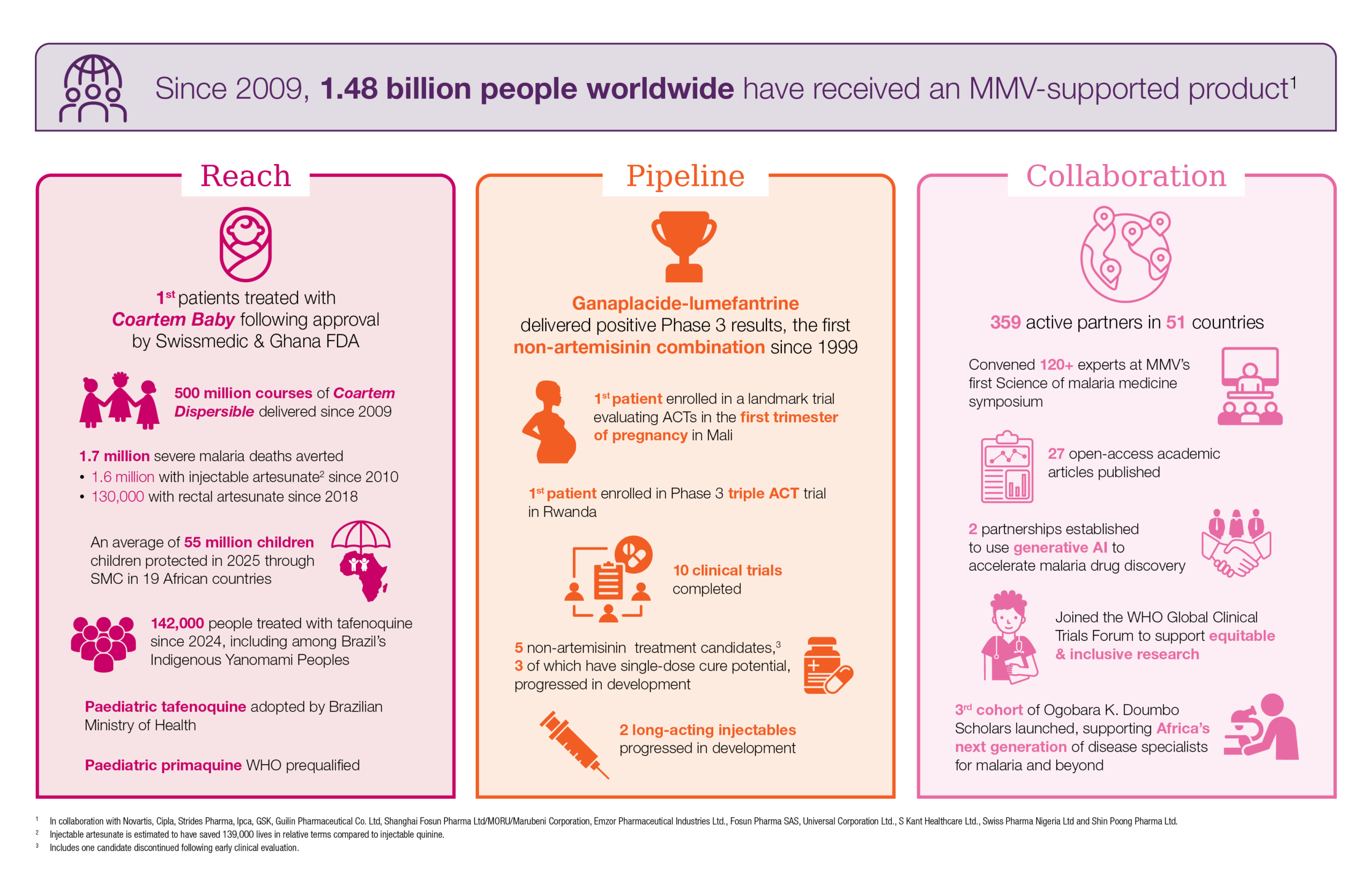
MMV’s 2025 achievements
In 2025, MMV and partners turned years of research into real-world progress, strengthening partnerships, advancing new malaria tools and extending them to more people than ever before.
MMV's pipeline of antimalarial drugs
Why innovation can’t wait
Malaria is a deadly disease caused by parasites spread by mosquitoes. As patients are treated with antimalarial medicines, the parasites evolve to become less susceptible (resistant), making the treatments less effective. To slow this evolution, malaria treatment combines medicines with complementary modes of action (MoAs) — the principle behind artemisinin-based combination therapies (ACTs), the mainstay of first-line treatment for Plasmodium falciparum, the most common form of the disease. ACTs have enabled significant progress towards malaria elimination, but the spread of partial artemisinin resistance in Africa is now threatening that progress. Although ACTs remain effective, the warning signs are increasing, underscoring the need to accelerate the global response.
In 2024, there were more than 282 million malaria cases and 610,000 deaths worldwide, most involving African children under 5 years old. Beyond its human toll, malaria also represents a significant economic burden, reducing productivity, increasing healthcare costs and constraining growth in the regions that can least afford it. If antimalarial drug resistance becomes widespread, it could result in 16 million more cases and 80,000 additional deaths annually, according to research from Imperial College London. Overcoming it will require innovation to both protect the effectiveness of existing medicines and deliver next-generation therapies. This is why breakthroughs like triple ACTs, which add a third drug to keep current treatments effective for longer, and ganaplacide-lumefantrine, which pairs a novel compound with an existing medicine, are crucial. Innovation must also make malaria tools easier to use in real-world settings. Simpler regimens for both prevention and treatment—ideally requiring only a single dose—will improve adherence and efficacy, thus slowing the development and spread of resistance and getting us closer to zero malaria.
Young children and pregnant women are most severely impacted by malaria, yet have historically had limited treatment options tailored to their needs. Developing and expanding access to appropriate medicines for these patients is therefore a priority. In addition to Coartem Baby, 2025 saw advances for child-friendly versions of two key medicines for relapsing (P. vivax) malaria, primaquine and tafenoquine, one of which (primaquine) also blocks transmission. Work also continued on expanding treatment options for women in the first trimester of pregnancy and encouraging their inclusion in clinical research. Innovation cannot wait, because the risks are compounding—biologically, as resistance spreads; humanly, as the most vulnerable continue to bear the greatest burden; and economically, as malaria undermines productivity and strains health systems. In 2025, by investing in AI, open science and co-creation and reinforcing research and manufacturing capacity in endemic countries, MMV sought to ensure that innovation keeps pace with resistance, that those at greatest risk are not left behind and that endemic-country scientists are at the forefront of these efforts.
Project of the Year: Coartem Baby
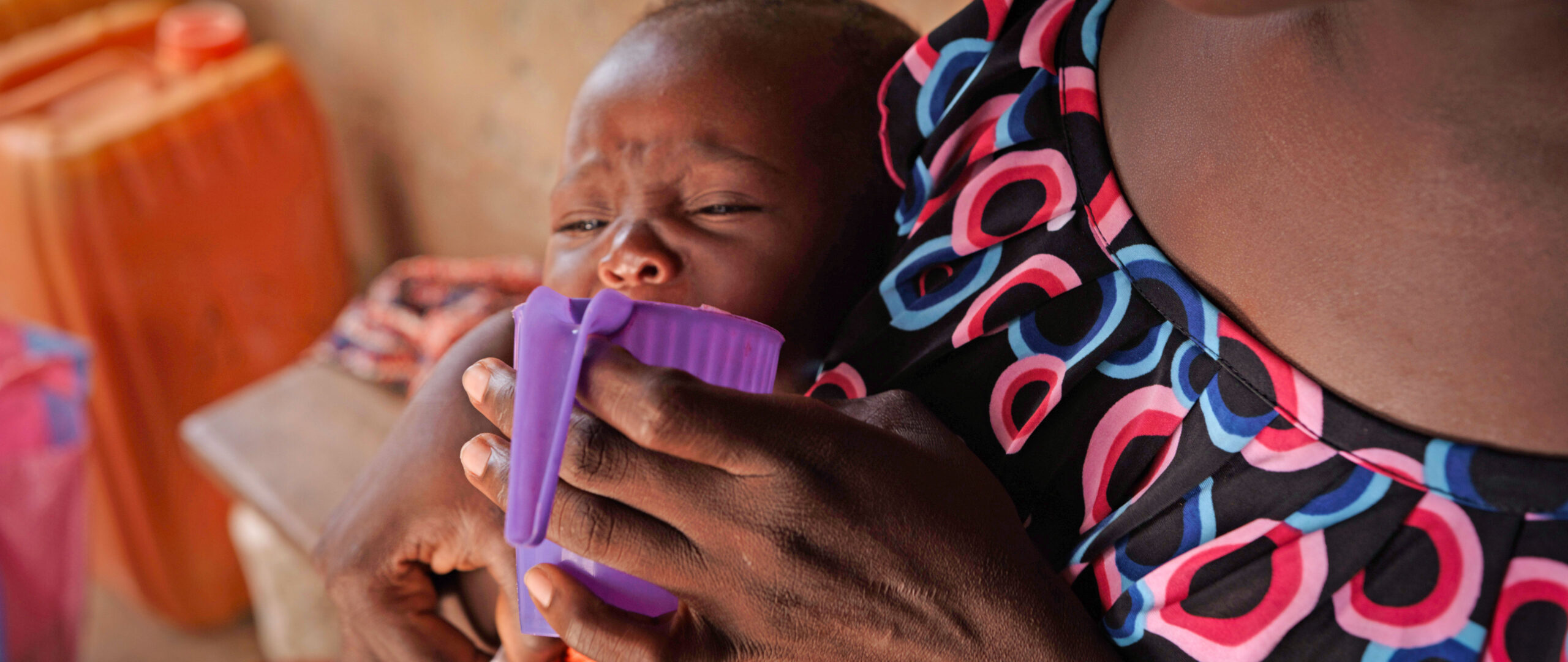
MMV’s Project of the Year 2025 has been awarded to Coartem Baby, recognizing the partnership that delivered the first malaria medicine for newborns and young infants weighing 2 to 5 kg. The Coartem Baby partnership includes collaborators from MMV, Novartis and the PAMAfrica consortium.
Some 30 million babies are born in malaria-endemic countries in Africa each year. Malaria prevalence of up to 18% has been reported in infants under 6 months old, but until recently, there was no treatment specifically designed for them. Thanks to the Coartem Baby partnership, these tiny patients can now receive a medicine tailored to their specific needs. Coartem Baby, a dispersible artemether-lumefantrine formulation adapted for small babies, was developed by Novartis with scientific and financial support from MMV, in the framework of the PAMAfrica consortium.
Based on evidence from the CALINA study, Swissmedic approved Coartem Baby in July. Eight African countries participated in Swissmedic’s assessment, several of which have issued their own approvals through Swissmedic’s Marketing Authorization for Global Health Products procedure, and the medicine recently received WHO prequalification. Read more about the Swissmedic approval → Coartem Baby was launched in Ghana in October—the first launch of this medicine in a malaria-endemic country. Read more about the launch of Coartem Baby in Ghana →
Interview with MMV, Novartis and PAMAfrica
MMV spoke with Dr Nada Abla Geiser (Director, PBPK Modelling and Clinical Pharmacology, MMV), Dr Bérenger Kaboré (Institut de Recherche en Sciences de la Santé, Clinical Research Unit of Nanoro [IRSS-CRUN], Burkina Faso; Coordinating Principal Investigator for PAMAfrica), and Dr Nekoye Otsyula (Global Medical Affairs Director, Malaria, Novartis) about Coartem Baby and its impact. Read the interview →
The PAMAfrica consortium was coordinated by MMV and co-funded by the European & Developing Countries Clinical Trials Partnership (EDCTP) and the Swedish International Development Cooperation Agency (Sida). It brought together African and European partners including public and private research institutions, academia and pharmaceutical companies to develop innovative medicines for malaria.
Delivering next-generation tools to stay ahead of resistance
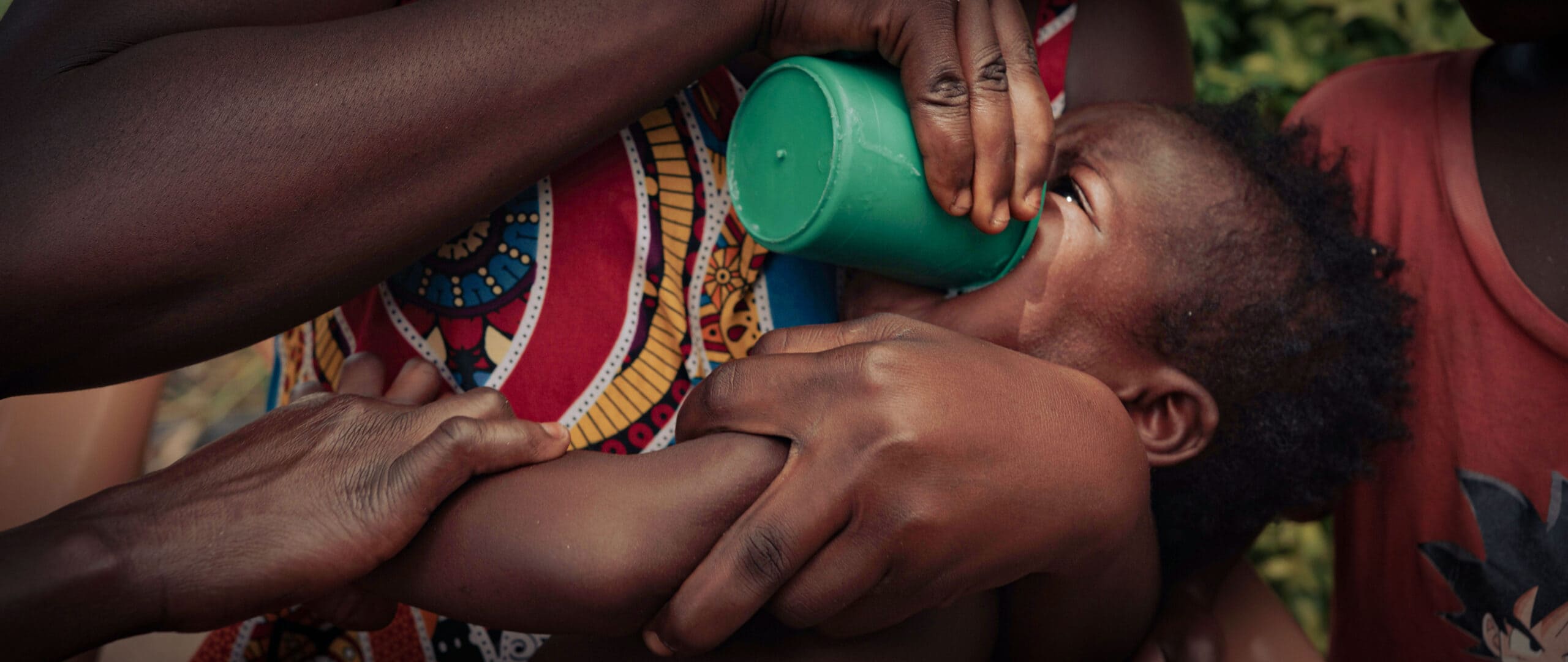
In 2025, MMV and its partners made significant advances in the fight against drug resistance, bringing next-generation malaria treatments closer to reality. Milestones included the completion of a Phase 3 clinical study of ganaplacide-lumefantrine, a novel non-artemisinin-based therapy, and the recruitment of the first patients in a Phase 3 study of a triple ACT, designed to extend the useful lives of both artemether and the widely used partner drugs lumefantrine and amodiaquine. Ensuring that these innovations reach patients remains a priority, and MMV is working with partners to support affordable, equitable access in endemic countries. Beyond its leading role in advancing science, MMV helped to rally the global effort to end malaria, amplifying African leaders’ calls for urgent action on antimalarial drug resistance at the World Health Assembly and working to ensure that new tools are developed, adopted and delivered where they are needed most. By connecting science, policy and people, MMV is helping to turn innovation into collective action to finally outpace this deadly disease.

Opinion
Failure of chloroquine caused a catastrophic spike in malaria deaths in the 1990s. In a Devex op-ed, MMV’s CEO, Dr Martin Fitchet, observed that the failure of ACTs would be devastating, but that we know how to keep history from repeating itself.

A new chapter in the fight against antimalarial drug resistance
Ganaplacide-lumefantrine, developed by Novartis in a long-standing partnership with MMV, belongs to the first new class of antimalarials since ACTs were introduced more than 25 years ago. It pairs ganaplacide, a novel fast-acting non-artemisinin compound, with a new once-daily formulation of lumefantrine, a cornerstone of first-line malaria treatment. Ganaplacide is believed to reduce the malaria parasite’s ability to survive inside red blood cells by targeting its internal transport mechanism. Because of its novel MoA, ganaplacide’s efficacy is not compromised in parasites with decreased sensitivity to artemisinins. In November, positive results were announced from the Phase 3 KALUMA trial, led by Novartis in collaboration with MMV and carried out as part of the West African Network for Clinical Trials of Antimalarial Drugs (WANECAM)-2 consortium, funded by the EDCTP. In this study, ganaplacide-lumefantrine was as effective as Coartem® (artemether-lumefantrine), the current “gold standard” for treating uncomplicated malaria, with a comparable safety profile.
Protecting the efficacy of current treatments
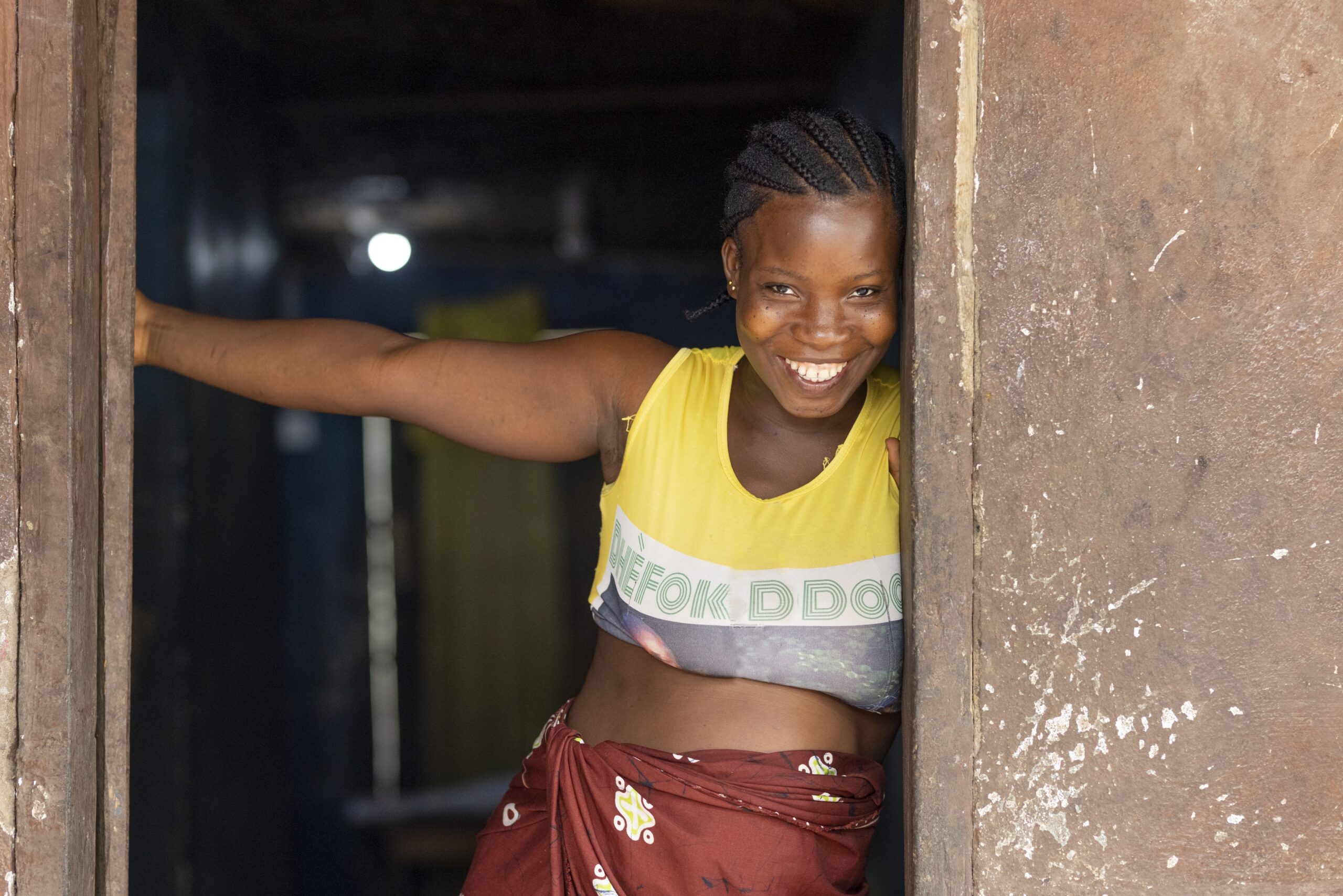
Adding a third drug is a powerful way to protect ACTs from resistance, extending their useful lives. In September, the first patient was enrolled in a Phase 3 trial in Rwanda testing a triple ACT developed by Fosun Pharma.
Rallying the global response
In July, MMV shared insights on fighting antimalarial resistance and the roles of open science and AI in drug development in a webinar sponsored by Collaborative Drug Discovery.
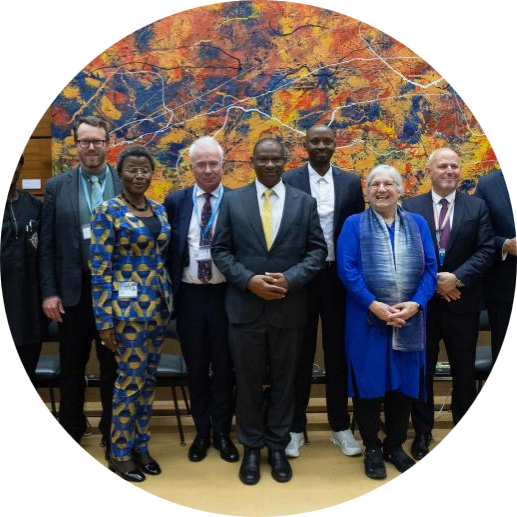
Under the auspices of the 78th World Health Assembly, MMV joined African Member States and global partners in calling for urgent, coordinated action and increased investment to prevent, detect and contain antimalarial drug resistance in Africa, including support for African-led strategies to protect existing treatments while developing new ones.

Driving dialogue for impact
Throughout 2025, MMV organized and participated in high-level gatherings, global health forums, and joint advocacy events to shape the conversations, commitments and collaborations needed to accelerate malaria elimination.
At the Tokyo International Conference on African Development (TICAD9) in June, MMV co-hosted a side event, “The way forward for malaria eradication: joint effort through new drug development,” sharing knowledge about the roles of African, European and Japanese governments and researchers in tackling Africa’s malaria crisis. Watch the side event →
At the American Society of Tropical Medicine and Hygiene (ASTMH) Annual Meeting in November, MMV co-sponsored the symposium “Malaria eradication in our lifetime: don’t stop believing,” to explore whether the most critical levers for ending malaria are being prioritized amid global cuts in health spending. Watch the symposium →
Heaviest burden, highest focus
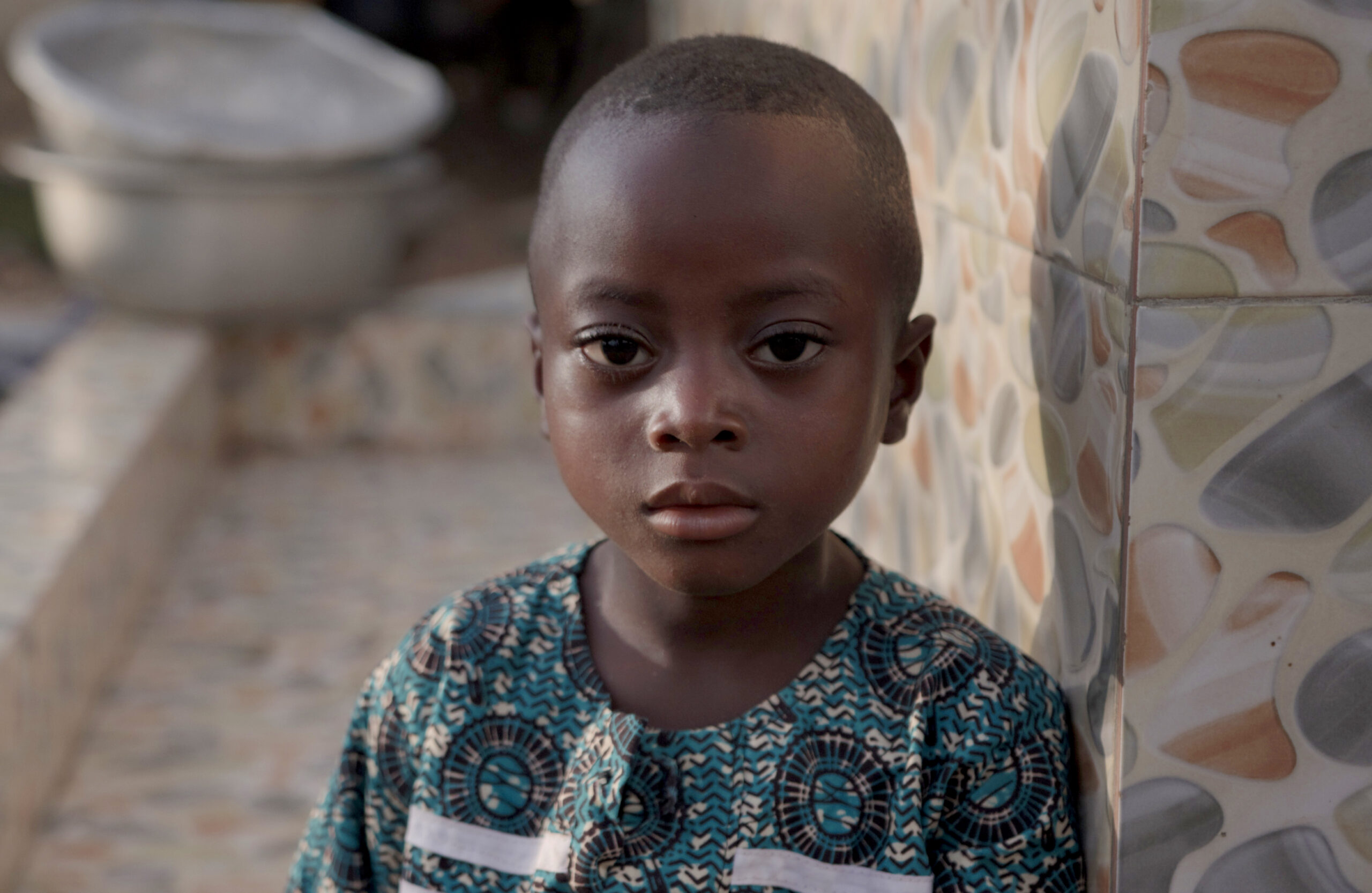
Personal experience
Dr Christine Manyando, Head of the Public Health Department at Zambia’s National Health Research and Training Institute (formerly the Tropical Diseases Research Centre), had a personal encounter with malaria. This led her to dedicate her life to treating malaria, and to focus on those at greatest risk. Dr Manyando told her story in a video for MMV:
Ensuring prevention and treatment for those at greatest risk
We will not defeat malaria without prioritizing the needs of young children and pregnant women, the groups most affected by this disease.
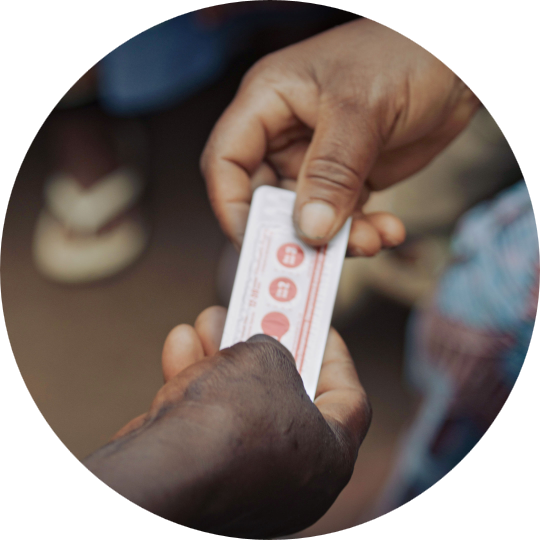
Malaria can compromise children’s education and futures as well as their health. Seasonal malaria chemoprevention (SMC) is a powerful and affordable way to protect them from the disease, delivering life-saving medicine before illness can take hold. In 2025, SMC protected approximately 55 million children in 19 countries.
In February, the SMC Alliance, coordinated by MMV, brought together implementing countries and partners in Lomé, Togo to share challenges and lessons learned and to set priorities for improving coordination and strengthening future SMC campaigns.
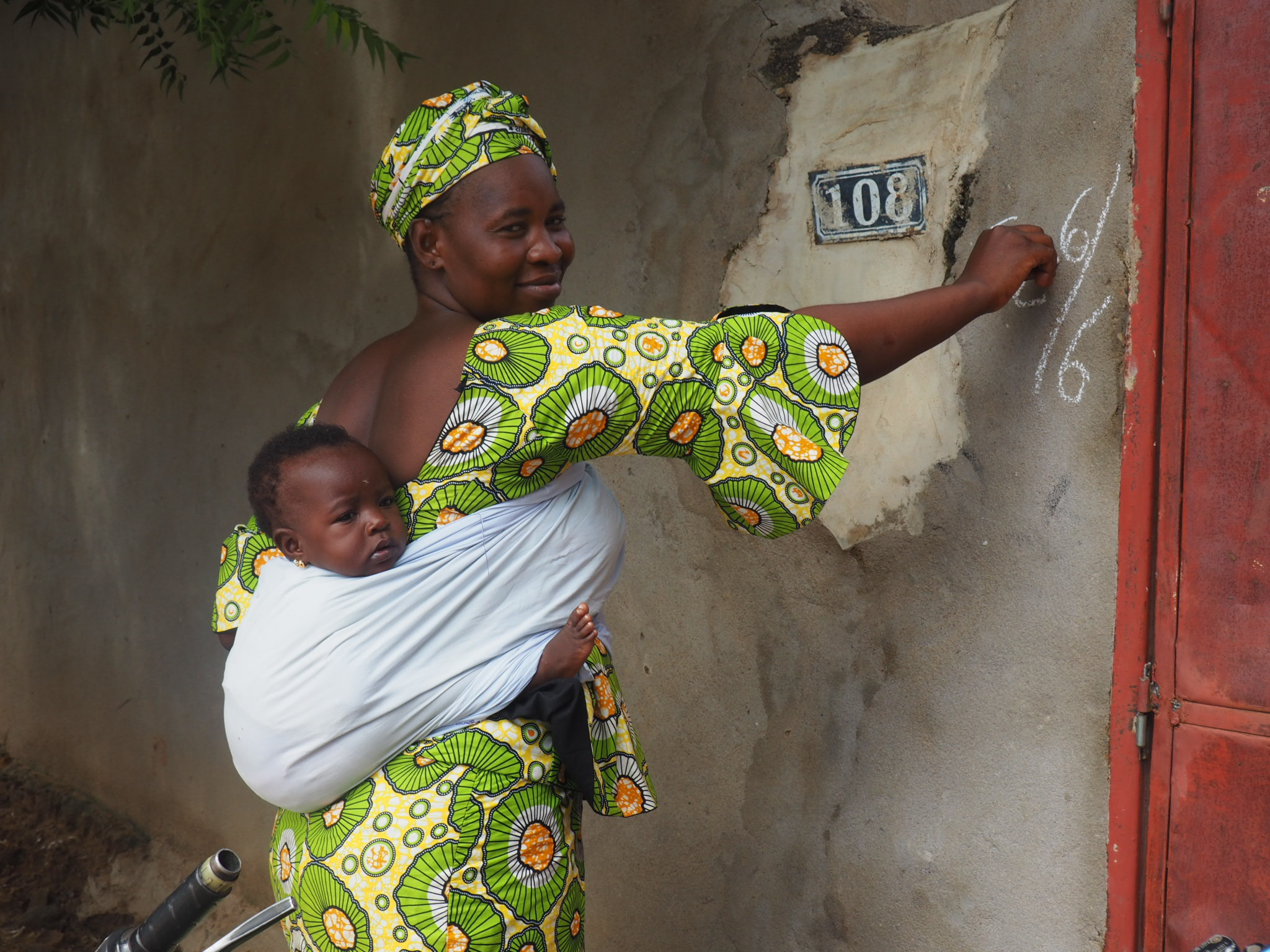
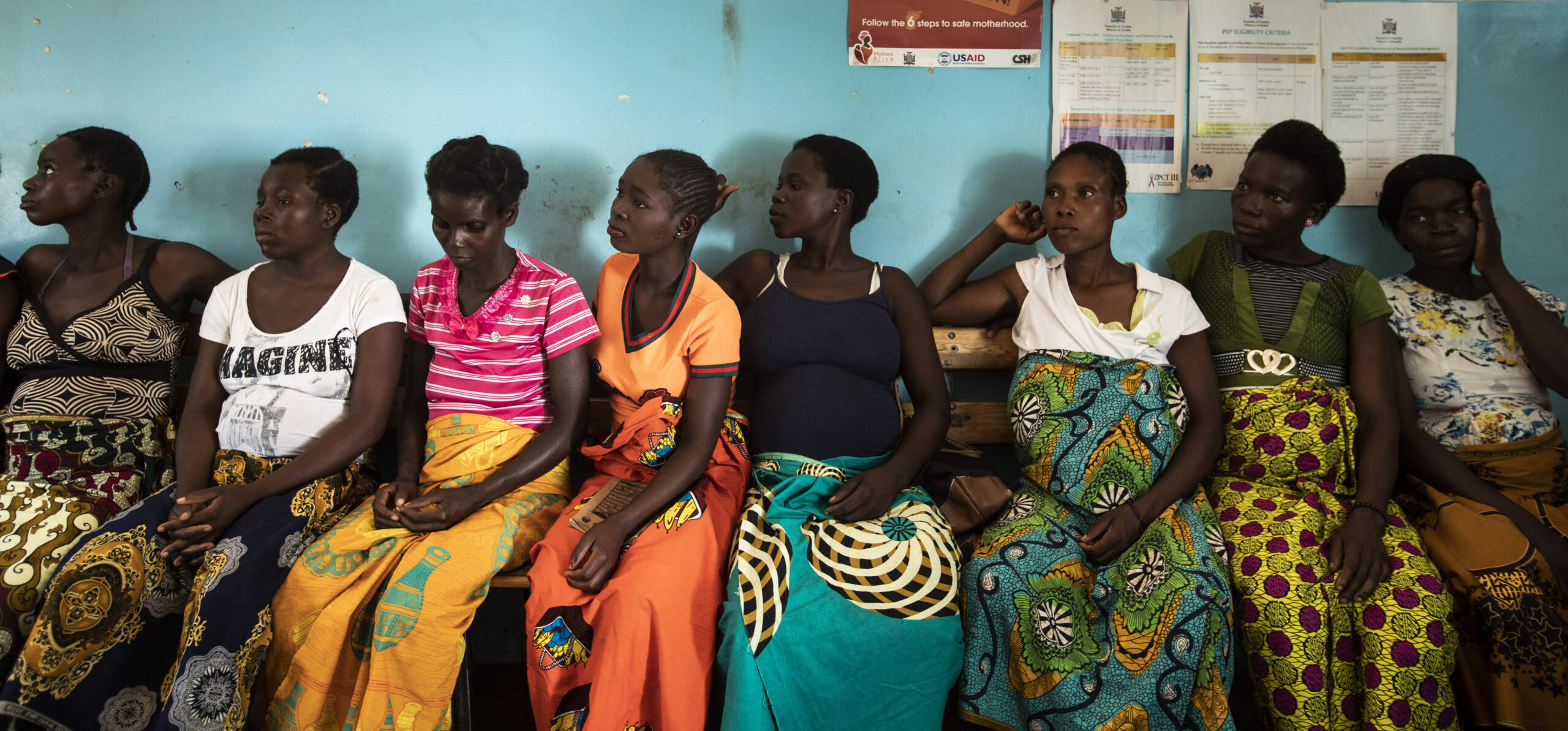
In July, the European Medicines Agency (EMA) updated the labelling for the ACT Pyramax® (pyronaridine-artesunate, developed by Shin Poong Pharm. Co., Ltd and MMV) to better reflect its safety profile in all trimesters of pregnancy, informed by data from the African-led PYRAPREG study and the Malaria in Mothers and Babies (MiMBa) Pregnancy Exposure Registry, a collaboration between LSTM and MMV.
Children account for more than 74% of deaths from malaria. In April, Coartem® Dispersible (artemether-lumefantrine), the first malaria treatment developed for children, reached the landmark of 500 million courses delivered worldwide—estimated to have saved over 1.8 million lives (relative to no treatment). Coartem Dispersible, co-developed by Novartis and MMV, was launched in 2009. Read more about Coartem Dispersible →
Accelerating P. vivax elimination
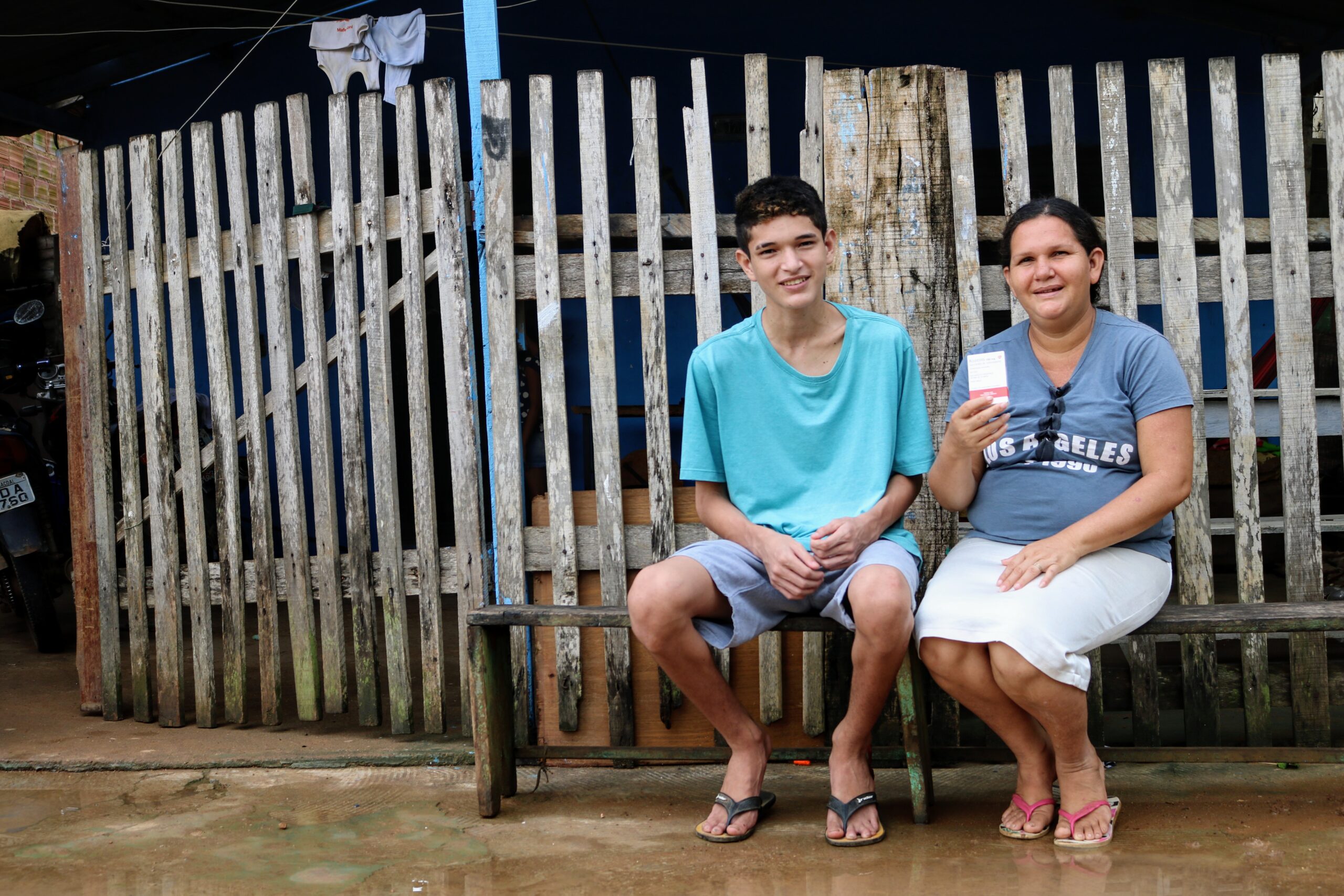
Patients with P. vivax malaria can experience multiple debilitating relapses after one mosquito bite, as parasites can remain dormant in the liver. To clear these dormant parasites and achieve “radical cure,” they must take either primaquine or tafenoquine with medicines for acute infection. Both primaquine and tafenoquine can cause haemolytic anaemia in people with glucose-6-phosphate dehydrogenase (G6PD) deficiency, so G6PD levels must be tested before treatment. Primaquine has been used for decades to treat relapsing malaria, and it can also prevent transmission. However, children have lacked an appropriate quality-assured form of this medicine. In November, WHO prequalified two child-friendly versions developed by MMV and Fosun Pharma through the Partnership for Vivax Elimination (PAVE), making it easier for countries to offer this life-saving treatment to children at risk. Read more about paediatric primaquine → While primaquine must be taken for 7 to 14 days for radical cure, tafenoquine, co-developed by GSK and MMV, requires only a single dose. In 2023, Brazil became the first endemic country to include tafenoquine and point-of-care G6PD testing in its public health system, rolling them out with point-of-care G6PD testing in 2024 in the Amazon region—and in Indigenous communities like the Yanomami, who are among the hardest hit by malaria.

The Partnership for Vivax Elimination
In September, Peru became the second Latin American country to include single-dose tafenoquine in national treatment guidelines for relapsing malaria, based on locally generated evidence from a feasibility study conducted by PAVE, which was co-led by MMV and PATH with funding from the Gates Foundation and Unitaid. PAVE also conducted studies in Ethiopia, Indonesia, Papua New Guinea and Vietnam that assessed implementation of tafenoquine or a 7-day, higher-dose primaquine regimen with point-of-care G6PD testing to simplify radical cure.


Opinion
Global warming is reshaping malaria transmission, while also complicating access to prevention and treatment. In a Devex op-ed, MMV’s Dr Elodie Jambert, VP, Access and Product Management, and Dr Marcus Lacerda, currently Director of WHO’s Special Programme for Research & Training in Tropical Diseases (TDR), reflected on the importance of resilient, simple medicines designed for a warming planet.
Driving dialogue for impact
Throughout 2025, MMV organized and participated in high-level gatherings, global health forums, and joint advocacy events to shape the conversations, commitments and collaborations needed to accelerate malaria elimination. At the 78th World Health Assembly in May, MMV co-hosted an official side event on responding to the impact of climate change on infectious diseases and a second side event on advancing research and innovation to boost maternal health. Read about the side event → Watch the side event →
MMV also delivered a statement on the urgency of addressing antimalarial drug resistance and participated in a constituency statement on climate adaptation and health. Read the statement →
Strengthening African manufacturing
In June, MMV presented a special recognition award to Kenya’s United Corporation Limited (UCL), the first African manufacturer of WHO-prequalified chemoprevention medicines, for its leadership in advancing African manufacturing and impactful collaboration with MMV.
UCL and Nigeria’s Swiss Pharma Nigeria Limited (Swipha) achieved WHO prequalification for their chemoprevention medicines with support from MMV and Unitaid, opening the door for the Global Fund to protect children in Mali with over 7 million doses of UCL’s sulfadoxine-pyrimethamine plus amodiaquine and for the United States to protect pregnant women in Nigeria with 5 million doses of Swipha’s sulfadoxine-pyrimethamine.
Opinion
In March, MMV’s Pierre Hugo, VP of Market Dynamics and Global Supply Security, discussed MMV’s support for prequalification in a Global Health Technology Coalition interview.
Creating an enabling environment for innovation
Empowering researchers through technology
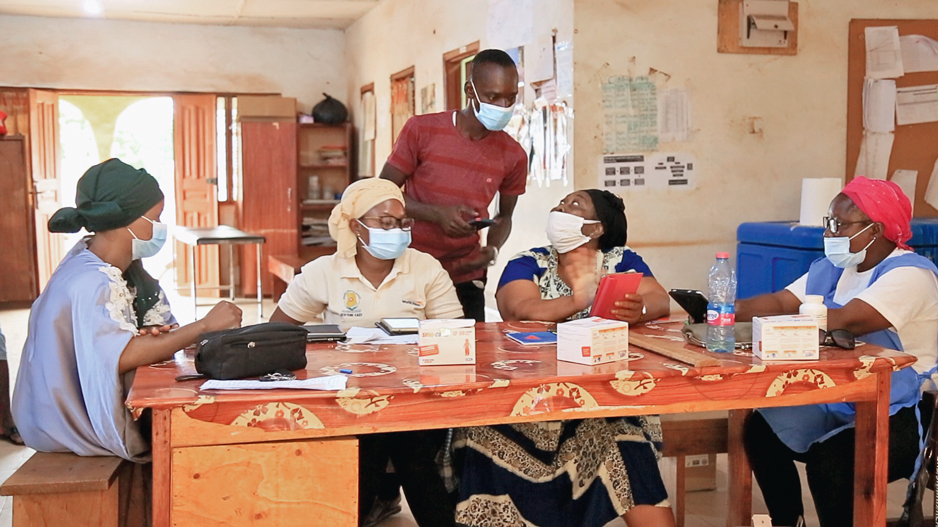
By providing access to cutting-edge technology that would otherwise be out of reach, MMV and its partners are equipping researchers in low- and middle-income countries (LMICs) to drive innovation in drug research. At ASTMH’s Alan J. Magill Malaria Eradication Symposium, MMV’s Dr Paul Willis, VP Head of Early Development, spoke about AI’s growing role in drug discovery, introducing participants to dd4gh. This generative AI- and machine learning-based tool, co-developed by deepmirror and MMV, will enable researchers around the world to identify promising drug candidates more rapidly.
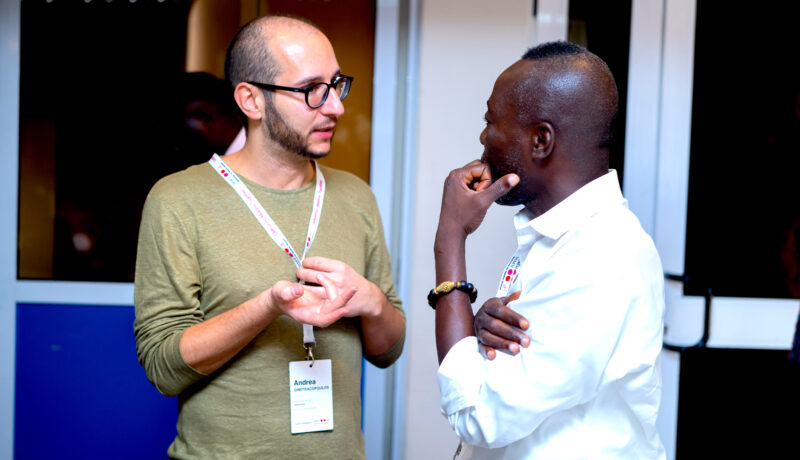
A key aspect of dd4gh’s development is its co-creation with end users. In 2025, MMV hosted workshops in Accra, Ghana and Geneva, Switzerland, where researchers learned how to use dd4gh and provided feedback to optimize it in preparation for its 2026 launch.
Developing medicines with new MoAs is crucial as resistance grows to those currently used for treatment and prevention. However, identifying such compounds is complex and time-consuming. In July, MMV, the University of Dundee and LPIXEL joined forces to build an open-access, state-of-the-art platform to explore how compounds affect malaria parasites, enabling researchers worldwide to accelerate translation of promising science into life-saving medicines. Read more about this partnership →
Opinion
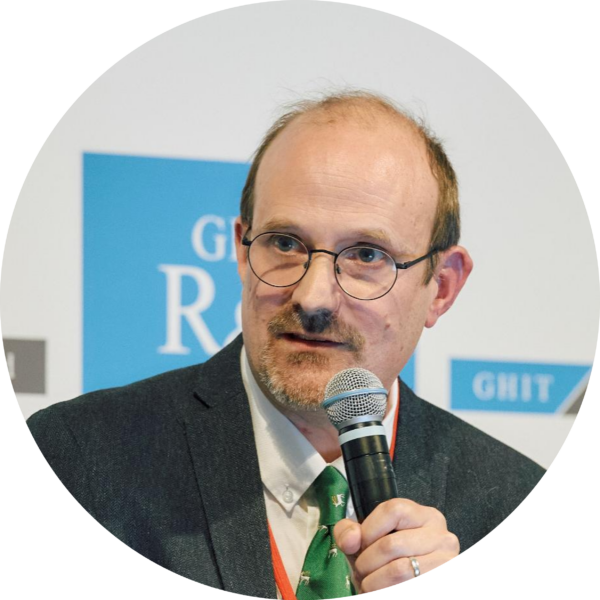
In November, Jeremy Burrows, MMV’s VP Head of Drug Discovery until April 2026, discussed the potential of open-access AI tools like dd4gh to level the playing field for researchers in LMICs in a Health Policy Watch interview.
Supporting endemic-country leadership through advocacy
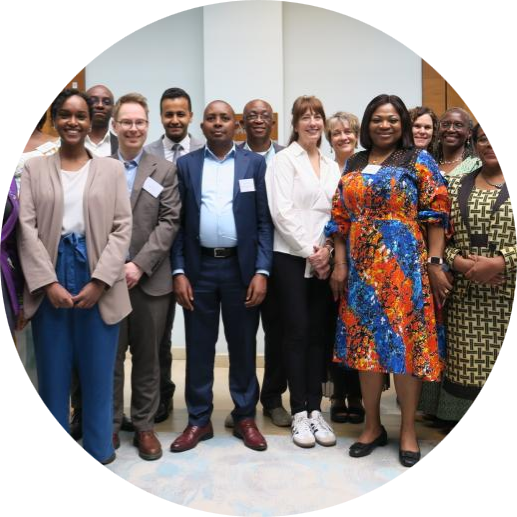
In March, MMV and Concept Foundation held a symposium in Kigali, Rwanda on the inclusion of pregnant and lactating women in clinical trials, attended by representatives of 11 African regulatory authorities.
In October, MMV became a member of the WHO-led Global Clinical Trials Forum, which aims to strengthen the global clinical trial ecosystem and shape a more inclusive future for clinical research. MMV’s long-standing work to break down barriers to inclusion and close engagement with endemic-country governments, policymakers, patients and communities were key to its invitation to join the Forum.

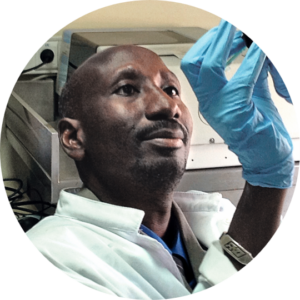
Recognition for longtime MMV collaborators
In June, Dr Delese Mimi Darko, head of Ghana’s Food and Drugs Authority and a member of MMV’s Expert Scientific Advisory Committee (ESAC), was appointed as the first-ever Director General of the African Medicines Agency (AMA). Read more about Dr Darko’s appointment →
At TICAD9, parasitologist and longtime MMV collaborator Dr Abdoulaye Djimdé, Director of the Malaria Research and Training Center at the University of Science, Techniques and Technologies of Bamako, Mali, was awarded Japan’s Hideyo Noguchi Africa Prize for medical research in recognition of his outstanding achievements in the fight against malaria. Read more about Dr Djimdé’s award →
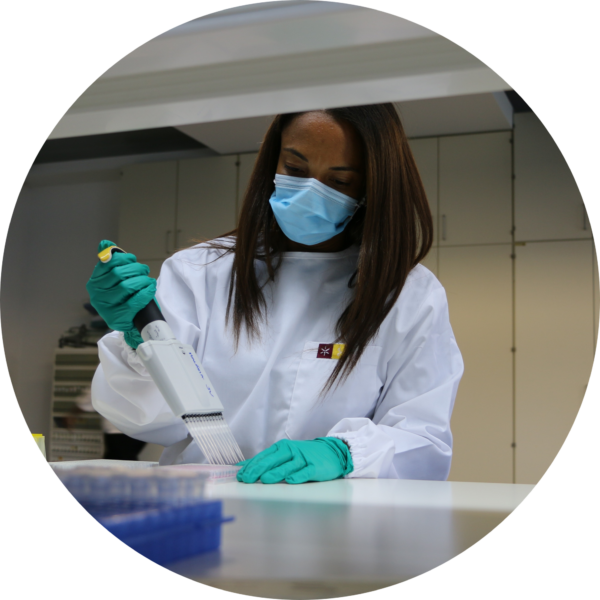
Supporting capacity and innovation
Since 2017, MMV has catalysed groundbreaking research by funding emerging African drug discovery researchers whose projects address critical challenges in the fight against malaria. Dr Cláudia Fançony, 2024 grant recipient, talked about her work measuring antimalarial potency against parasite strains circulating in Angola.
To help train the next generation of African researchers, MMV and Mali’s Parasites and Microbes Research and Training Center (PMRTC) established the Ogobara K. Doumbo Scholarship Fund in 2023, honouring the Malian scientist and MMV advisor who passed away in 2018. The second cohort of scholarship recipients to complete a 3-month PMRTC internship shared their reflections on its transformative impact. Read the scholarship recipients’ impressions →
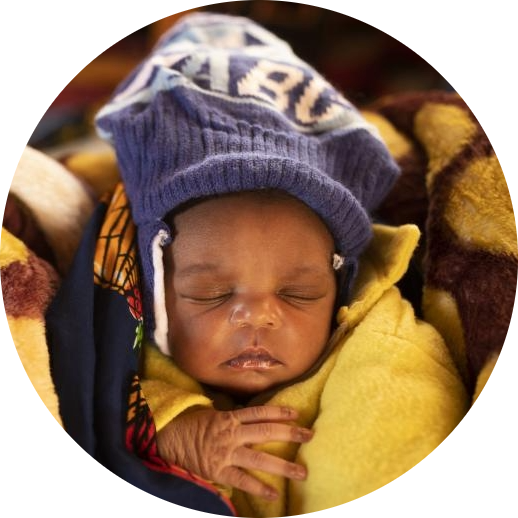
Collaborative science, new treatments and stronger research leadership: PAMAfrica’s legacy
From 2020 to 2025, the PAMAfrica consortium, coordinated by MMV, brought together African and European partners to support the development of innovative medicines including Coartem Baby and next-generation therapies for both uncomplicated malaria and severe malaria. Through its coordinated global collaboration, PAMAfrica strengthened African research capacity and fostered sustainable partnerships to ensure long-term access in endemic countries. Read more about PAMAfrica’s legacy →
Driving dialogue for impact
Throughout 2025, MMV organized and participated in high-level gatherings, global health forums, and joint advocacy events to shape the conversations, commitments and collaborations needed to accelerate malaria elimination. In October, MMV’s first-ever Science of Malaria Medicine symposium in Geneva brought together researchers, healthcare professionals and policymakers, including participants from academia and industry and key opinion leaders from malaria-endemic countries, to explore advances and unmet needs in malaria treatment and prevention, the changing environment for malaria interventions and the potential of new AI-based drug discovery tools. Watch the symposium sessions →
Financial view
Financial year to 31 December 2025
Legal status MMV is a Swiss foundation, established as a not-for-profit legal entity, registered in Geneva under statutes dated 15 November 1999. The summary consolidated financial statements of MMV also include the accounts of the United States entity MMV North America, Inc., which is registered in the United States as a section 501(c)(3) organization (please refer to note 2.c of the summary consolidated financial statements). Revenue Total revenue in 2025 amounted to USD 88.7 million. This, and every contribution over the years, has helped to advance our mission and the ultimate goal of defeating malaria together. MMV is very grateful for these and previous commitments from all of its donors and partners. Expenditure Total expenditure in 2025 amounted to USD 85.3 million. Research & Development (R&D) expenditure amounted to USD 50 million. Access & Product Management (APM) expenditure amounted to USD 15 million. Other portfolio expenditure amounted to USD 4.2 million.
Donors
MMV is grateful for the support in 2025 from individual donors as well as the following institutional donors:
Credits
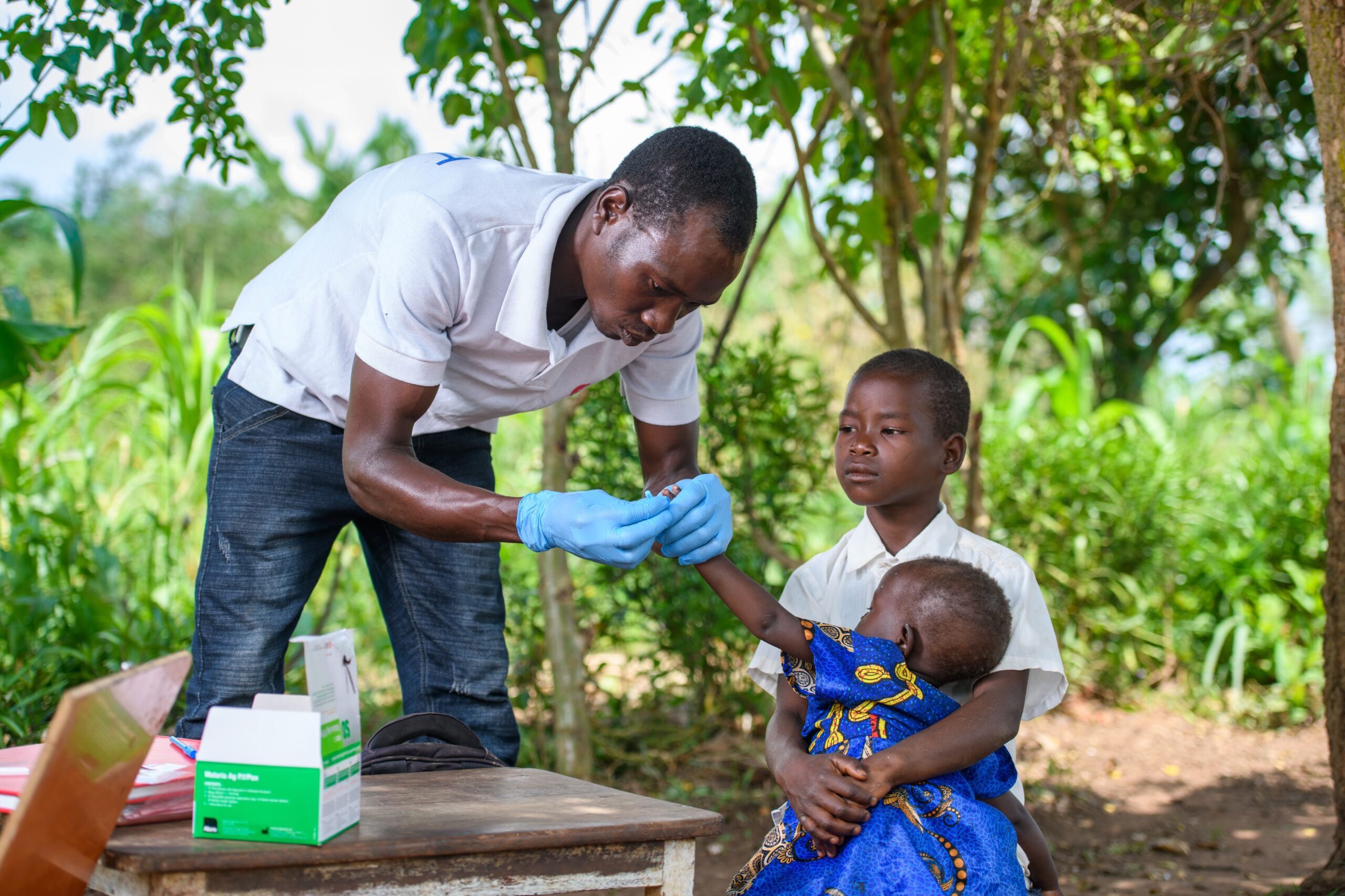
Photos from top to bottom: Cover image: Dianah Otiend, a pregnant woman in Homa Bay, Kenya (Marcus Hebbelmann/MMV); a young boy holding his younger sibling who is being screened for malaria by a healthcare worker in a rural area in Uganda (Emmanuel Museruka/MMV); a baby being given malaria medicine in Tchaloudè, Togo (Marcus Hebbelmann/MMV); a mother giving her child seasonal malaria chemoprevention medication in Tchaloudè, Togo (Marcus Hebbelmann/MMV); Emmah Sesay at her home in Port Loko, Sierra Leone (Mwangi Kirubi PMI Impact Malaria); Ismael Adam, a 4-year old boy from Tchaloudè, Togo, who receives SMC to protect him from malaria (Marcus Hebbelmann/MMV); a Malian mother carrying a baby on her back (Kathryn Malhotra/PMI Impact Malaria); pregnant women at a clinic in Zambia (Toby Madden/Transaid); A family in Brazil (IPCCB/FMT-HVD); healthcare workers in Ghana (John Passah/NMCP Ghana); participants conversing at the dd4gh workshop in Accra, Ghana (Osam Marmah/MMV); portrait photos provided by interviewees.
Legal disclaimer
This document contains certain forward-looking statements that may be identified by words such as ‘believes,’ ‘expects,’ ‘anticipates,’ ‘projects,’ ‘intends,’ ‘should,’ ‘seeks,’ ‘estimates,’ ‘future’ or similar expressions, or by discussion of, among other things, vision, strategy, goals, plans, or intentions. It contains hypothetical future product target profiles, development timelines and approval/launch dates, positioning statements, claims and actions for which the relevant data may still have to be established. Stated or implied strategies and action items may be implemented only upon receipt of approvals including, but not limited to, local institutional review board approvals, local regulatory approvals, and following local laws and regulations. Thus, actual results, performances or events may differ from those expressed or implied by such statements. We ask you not to rely unduly on these statements. Such forward-looking statements reflect the current views of Medicines for Malaria Venture (MMV) and its partner(s) regarding future events, and involve known and unknown risks and uncertainties. MMV accepts no liability for the information presented here, nor for the consequences of any actions taken on the basis of this information. Furthermore, MMV accepts no liability for the decisions made by its pharmaceutical partner(s), the impact of any of their decisions, their earnings or their financial status.